Adams & Associates - Learn with Us
Rethinking Catastrophe Coverage: 4 Big Changes Businesses Need to Know for 2026

The world of insurance is changing quickly. If you own a business, you have likely noticed that coverage isn’t as simple as it used to be. Natural disasters are becoming more frequent, and the ways we protect our property and livelihoods are evolving to keep up.
In the June 2026 issue of Best’s Review (Vol 127, Issue 6), the experts at AM Best published a deep dive titled “Rethinking Catastrophe Coverage.” Their research shows that the insurance industry is currently "recalibrating." This means they are finding new ways to handle big risks, using better technology, and offering different types of solutions than we saw just a few years ago.
For business owners: especially those of us working in unique environments like Hawaii: understanding these shifts is the key to staying protected and keeping costs manageable.
Here are the four big changes you need to know about.
1. The Rise of "Smart" MGAs
Traditionally, you might have bought your insurance from a large, well-known national carrier. While those companies are still vital, a new type of player is taking center stage: the Catastrophe-Focused MGA(Managing General Agent).
An MGA is a specialized firm that has the authority to quote and bind insurance on behalf of a carrier. According to AM Best, these firms are filling a massive gap in the property market.
Why does this matter for your business?
- Specialization: These MGAs focus specifically on high-risk areas like floods, wildfires, or earthquakes. They understand these specific risks better than a generalist company might.
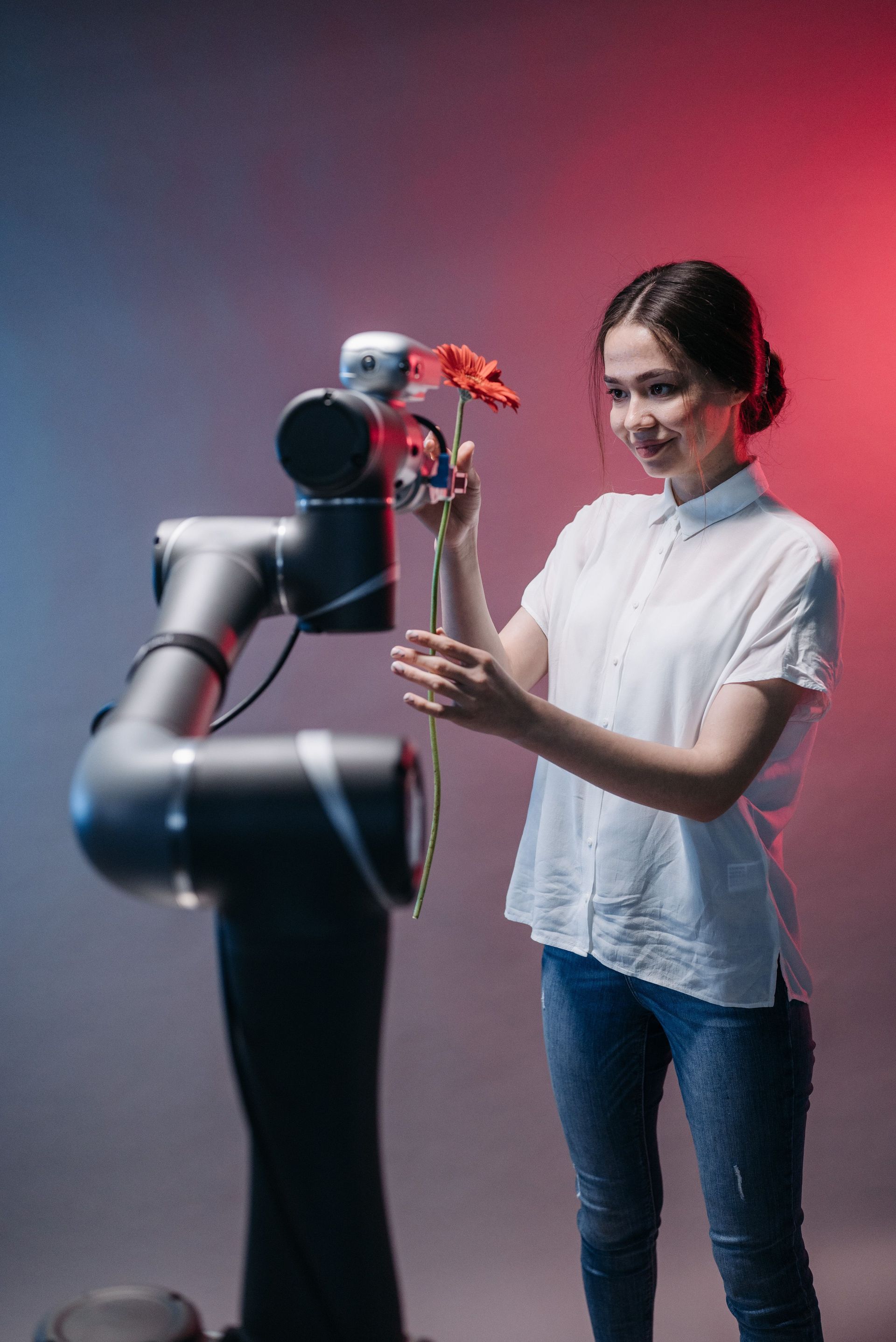
- AI-Driven Underwriting: These firms are leaning heavily into Artificial Intelligence (AI) and machine learning. They use data to predict risks with much higher accuracy. This allows them to offer coverage in areas where traditional companies might have pulled back.
- Faster Service: Because they use automated data, they can often provide quotes and process changes faster than older, more manual systems.
If your business is located in a coastal area or near a high-risk zone, a catastrophe-focused MGA might be the partner that helps you secure the coverage you need when other options seem limited.
2. Secondary Perils Are the New Primary Problem
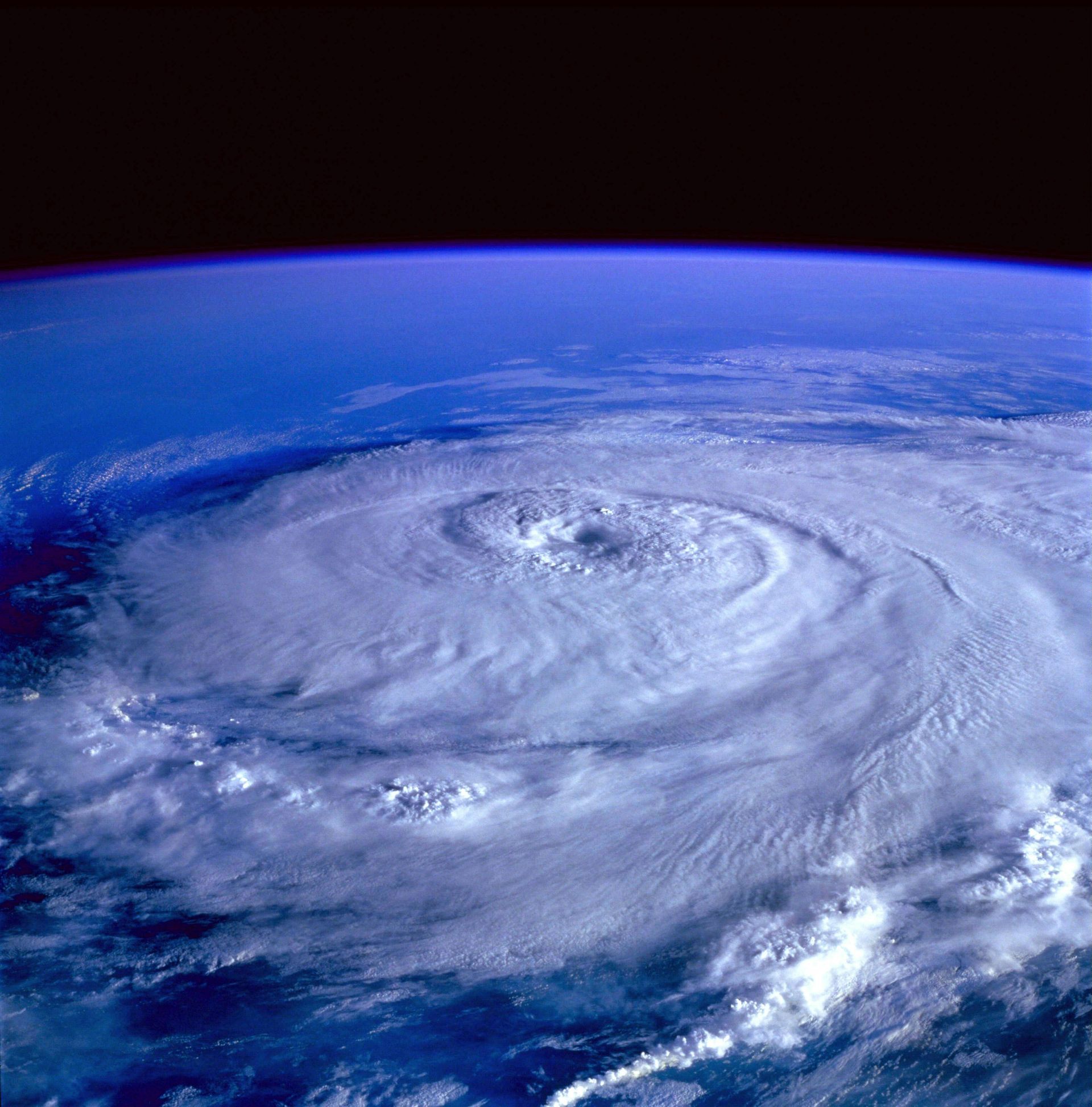
In the past, the insurance industry focused most of its energy on "Primary Perils": the giant events like major hurricanes or massive earthquakes. But the AM Best report highlights a major shift: Secondary Perils are now causing just as much financial damage.
Secondary perils include things like:
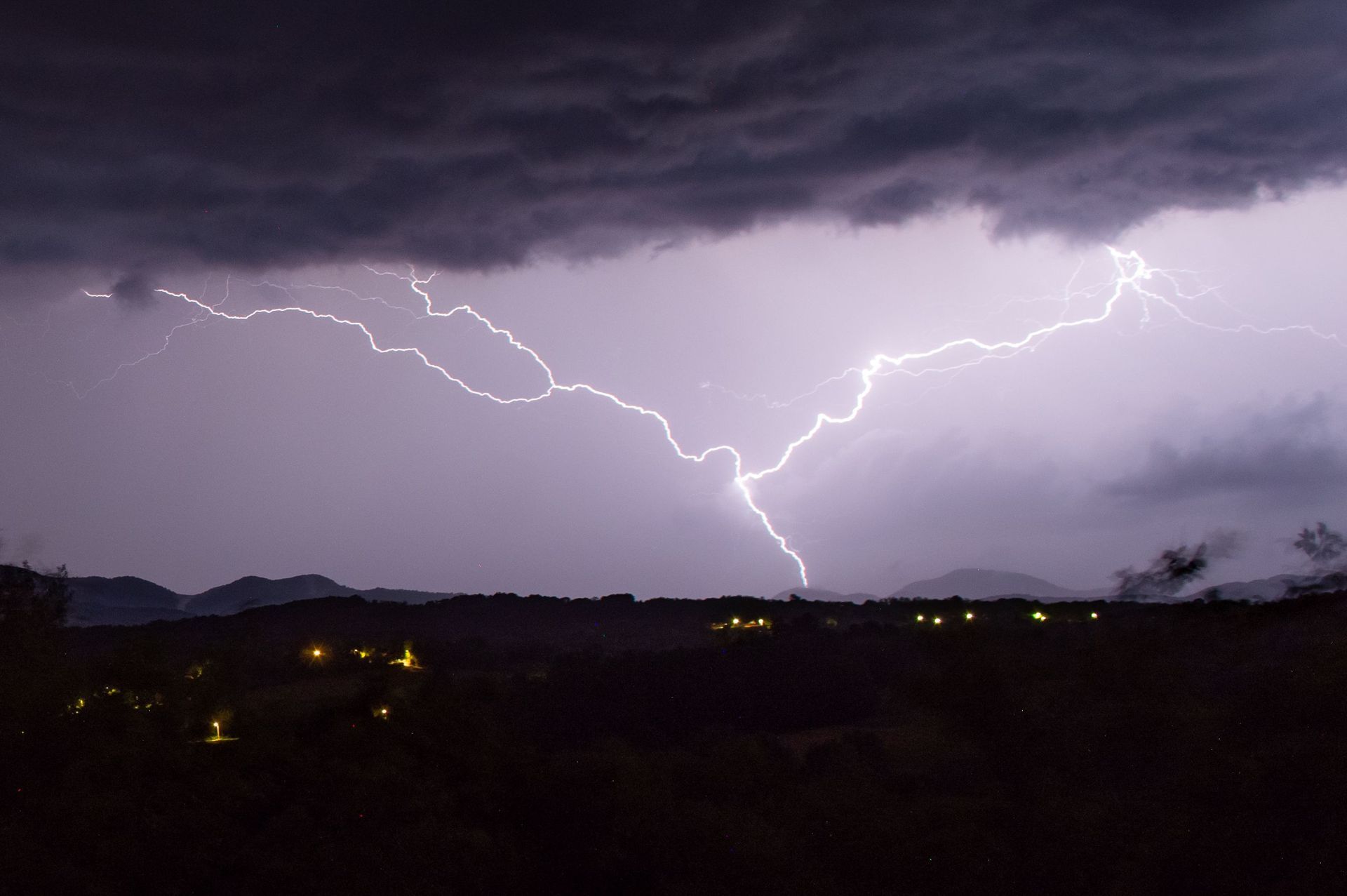
- Severe thunderstorms
- Hail
- Flash flooding
- Localized wildfires

For a long time, these were seen as "side issues." But today, they are happening more often and costing more money. In many parts of the country, these "smaller" events are now the leading cause of insurance claims for businesses.
What you can do:
- Check your limits: Make sure your business liability and property policies specifically cover these secondary events.
- Don’t overlook "small" risks: A bad hail storm or a sudden flash flood can be just as devastating to your daily operations as a hurricane.
- Review your deductibles: Sometimes, these perils have different deductibles than your standard coverage.
Knowing exactly what is in your policy is the first step toward true business resilience.
3. Payouts at the Speed of Data: Parametric Solutions
One of the most exciting shifts discussed by AM Best is the move from traditional "pay-for-loss" models to Parametric Solutions.
Traditional insurance works like this: something breaks, you file a claim, an adjuster visits, they estimate the damage, and then you get a check. This process can take weeks or even months.
Parametric insurance is different. It pays out based on a specific "trigger" or event, such as:
- Wind speeds reaching a certain level.
- An earthquake of a specific magnitude within a certain distance of your business.
- A certain amount of rainfall over 24 hours.

The Benefits for Business Owners:
- Speed: Because there is no need for a manual damage assessment, payouts can happen in days, not months.
- Liquidity: This fast cash helps you keep payroll moving or make immediate emergency repairs.
- Transparency: You know exactly what triggers the payment before the event ever happens.
As the Insurance-Linked Securities (ILS) market remains robust, more of these creative solutions are becoming available to medium and small businesses, not just giant corporations.
QUESTIONS? Let’s talk about whether a parametric supplement makes sense for your disaster plan.
4. Using AI for "Resilience Planning"
The final major point from the AM Best report is the integration of connected data. Insurance is no longer just about paying for a loss after it happens. It’s now about using AI to help you prevent the loss in the first place.
Carriers and MGAs are now using real-time data to help business owners with Resilience Planning.
How this helps you:
- Proactive Alerts: Some insurers use satellite data or weather sensors to send you alerts before a storm hits, giving you time to board up windows or move inventory.
- Better Pricing for Better Habits: If you use data to show that you have "hardened" your property (like installing fire-resistant roofing or storm shutters), AI-driven pricing models can reward you with lower premiums.
- Risk Modeling: We can now look at highly specific models to see how a flood or fire might impact your exact street, helping you make smarter choices about where to store your most valuable assets.
Insurance is becoming a partnership between you and your provider to keep your business standing, no matter what the weather does.
How to Prepare for 2026
The industry is recalibrating, and you should too. Here is a simple checklist to make sure your business is ready for these changes:
- Audit your current policy: Does it cover "secondary perils" like hail or localized flooding?
- Ask about MGAs: Ask your agent if there are specialized MGAs that might offer better coverage or rates for your specific industry.
- Consider Parametric: If your business relies on immediate cash flow to survive a disaster, look into a parametric policy.
- Focus on Resilience: Don’t just buy insurance; invest in property hardening. It’s the best way to keep your premiums down in the long run.
At Adams & Associates, we have been helping Hawaii business owners navigate these complex waters for years. We believe in keeping things simple, straightforward, and focused on your success.
Whether you are looking for a new business insurance quote or just want to understand how these global shifts affect your local shop, we are here to help.
QUESTIONS? Reach out to us today.
Source: Information based on AM Best, "Rethinking Catastrophe Coverage," June 2026, Vol 127, Issue 6.
About Us:
Adams & Associates is a property and casualty insurance agency licensed in Hawaii. We focus on helping businesses of all sizes, with a special passion for non-profits and the transportation industry. Learn more about our team here.