Adams & Associates - Learn with Us
Replacement Cost vs. Market Value: Stop Underinsuring Your Commercial Property
![[HERO] Replacement Cost vs. Market Value: Stop Underinsuring Your Commercial Property](https://cdn.marblism.com/pBSQevYpvV_.webp)
Here's a scenario that happens more often than you'd think: A fire damages your commercial building. You file a claim. Your insurer cuts you a check. And then you realize, it's not nearly enough to rebuild.
The culprit? Confusing market value with replacement cost.
It's an easy mistake to make. But it's one that can leave you seriously underinsured when you need coverage most. Let's break down what these terms actually mean and how to make sure your property insurance actually covers what you think it does.
What's the Difference Between Market Value and Replacement Cost?
Think of it this way:
Market value is what someone would pay to buy your property right now. It includes the land, the location, the neighborhood, and whatever the current real estate market says it's worth. If your building sits on prime real estate in a hot market, your market value could be sky-high.
Replacement cost is what it would actually cost to rebuild your building from the ground up if it were damaged or destroyed. We're talking labor, materials, construction techniques, the nuts and bolts of putting your building back together.
Here's where it gets tricky: Replacement cost doesn't include the land value (you still own the land after a fire, after all). It also doesn't care about location desirability or what buyers are willing to pay.
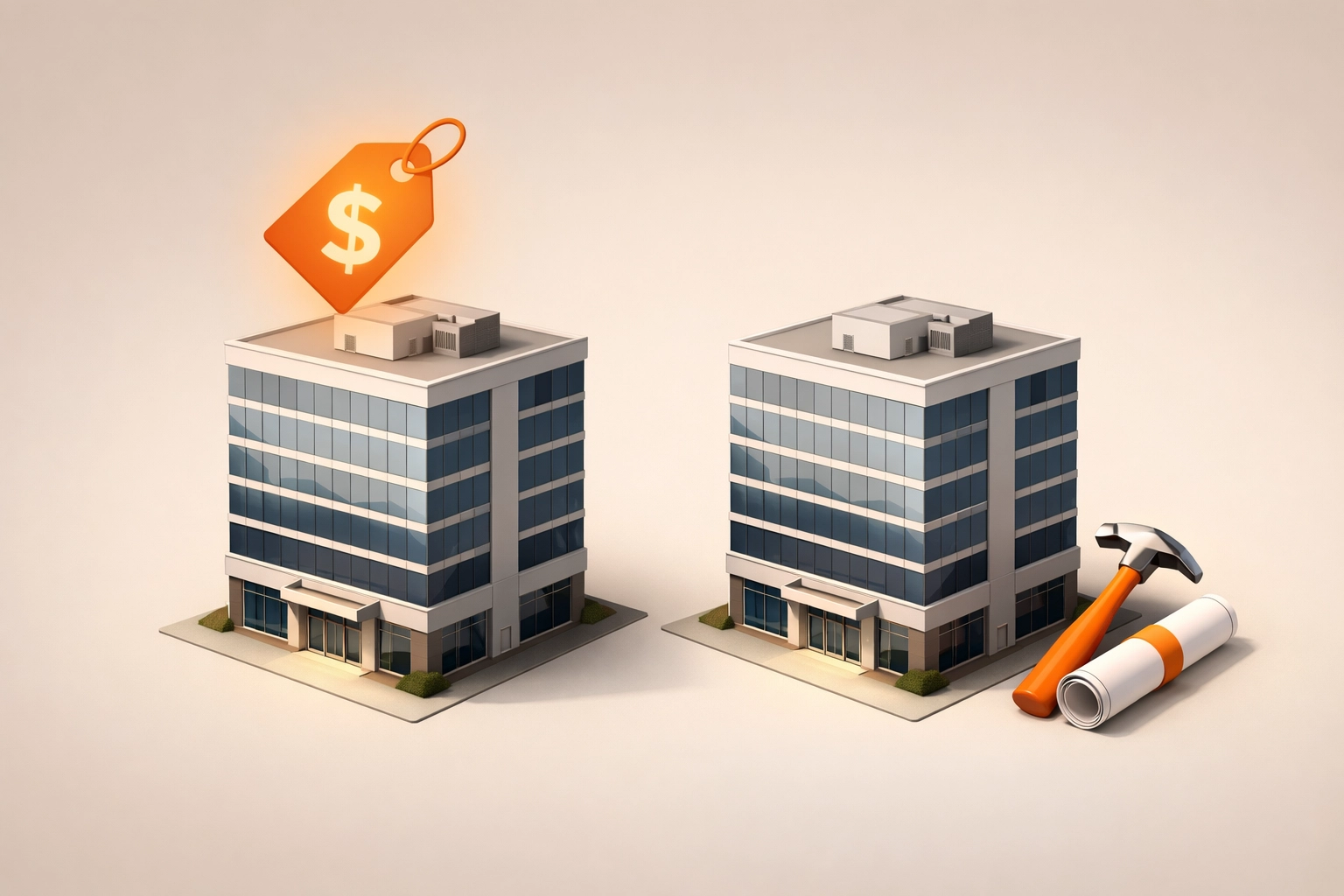
In theory, replacement cost should be lower than market value. But that's not always the case, especially right now. When construction costs spike or labor shortages hit, replacement cost can actually exceed market value. And if you've insured your building based on market value alone, you could be in for a rude awakening.
Why This Matters More Than You Think
Let's say you own a 30-year-old office building. The real estate market is booming, and your property is worth $3 million. Great, right?
But here's the problem: If it would cost $2 million to rebuild that building today, and your insurance is based on market value instead of replacement cost, you might be overinsured in one sense, but critically underinsured in another.
Now flip the scenario. Your building's market value is $2 million, but because of rising material and labor costs, it would actually cost $2.5 million to rebuild. If your coverage limit is based on that lower market value, you're short $500,000 when disaster strikes.
And here's another wrinkle: If you have an Actual Cash Value (ACV) policy instead of a Replacement Cost policy, your insurer will deduct depreciation from your payout. That 30-year-old building? After a 30% depreciation hit, your $2 million replacement cost claim might only net you $1.4 million. That leaves you scrambling to cover a $600,000 gap.
The bottom line: Insuring based on market value: or worse, using an ACV policy: can leave you seriously short when you need to rebuild.
5 Quick Steps to Make Sure You're Not Underinsured
Ready to double-check your coverage? Here's your action plan.
1. Review Your Policy for 'Replacement Cost' vs. 'Actual Cash Value'
Pull out your commercial property insurance policy and look at the type of coverage you have.
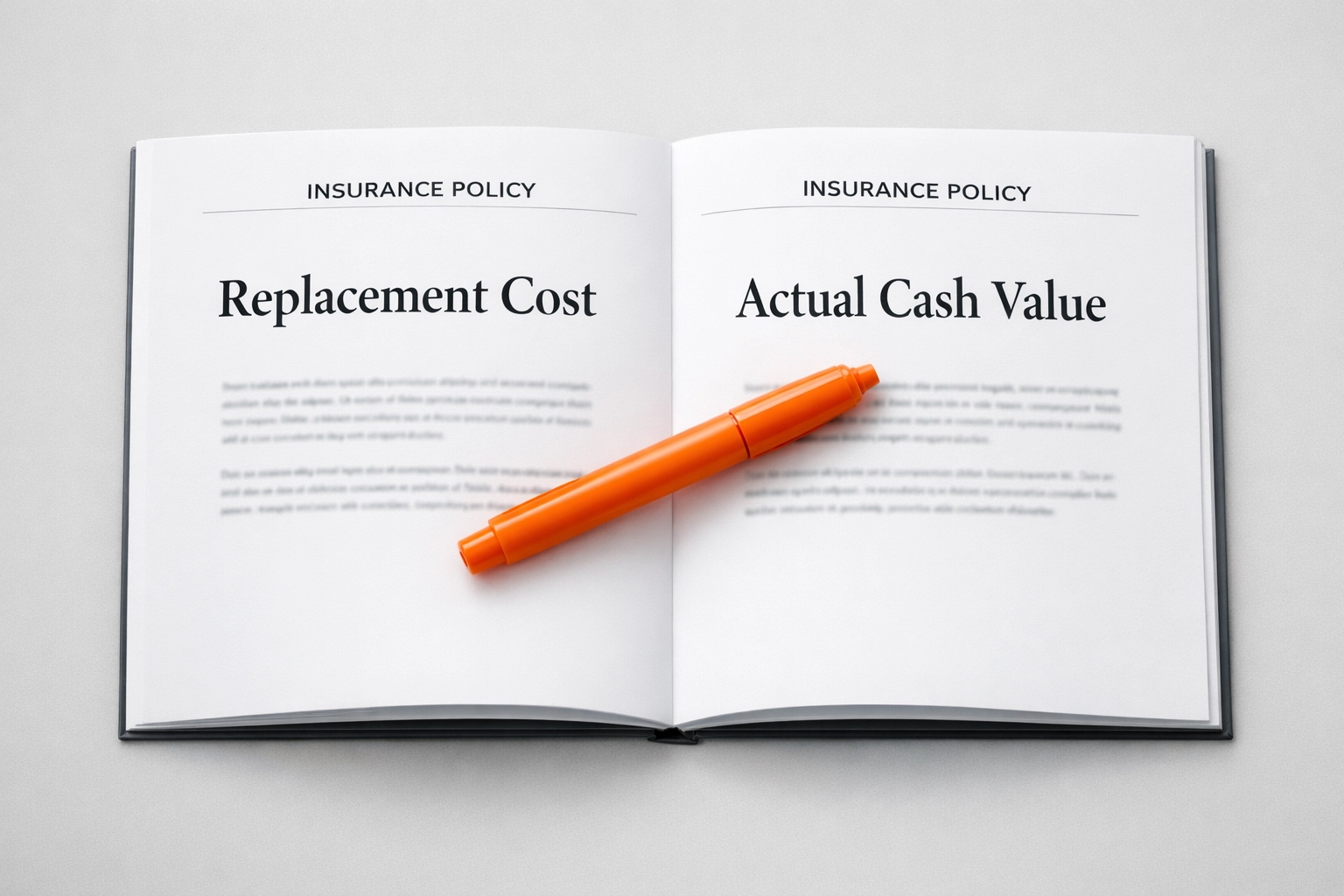
Replacement Cost Coverage pays to rebuild or repair your property without deducting depreciation. This is what you want.
Actual Cash Value Coverage pays the depreciated value of your property. It's cheaper upfront, but it can leave you with a big bill after a claim.
If you see "ACV" on your policy, it's time for a conversation with your agent about switching to replacement cost coverage.
2. Account for Recent Renovations or Upgrades
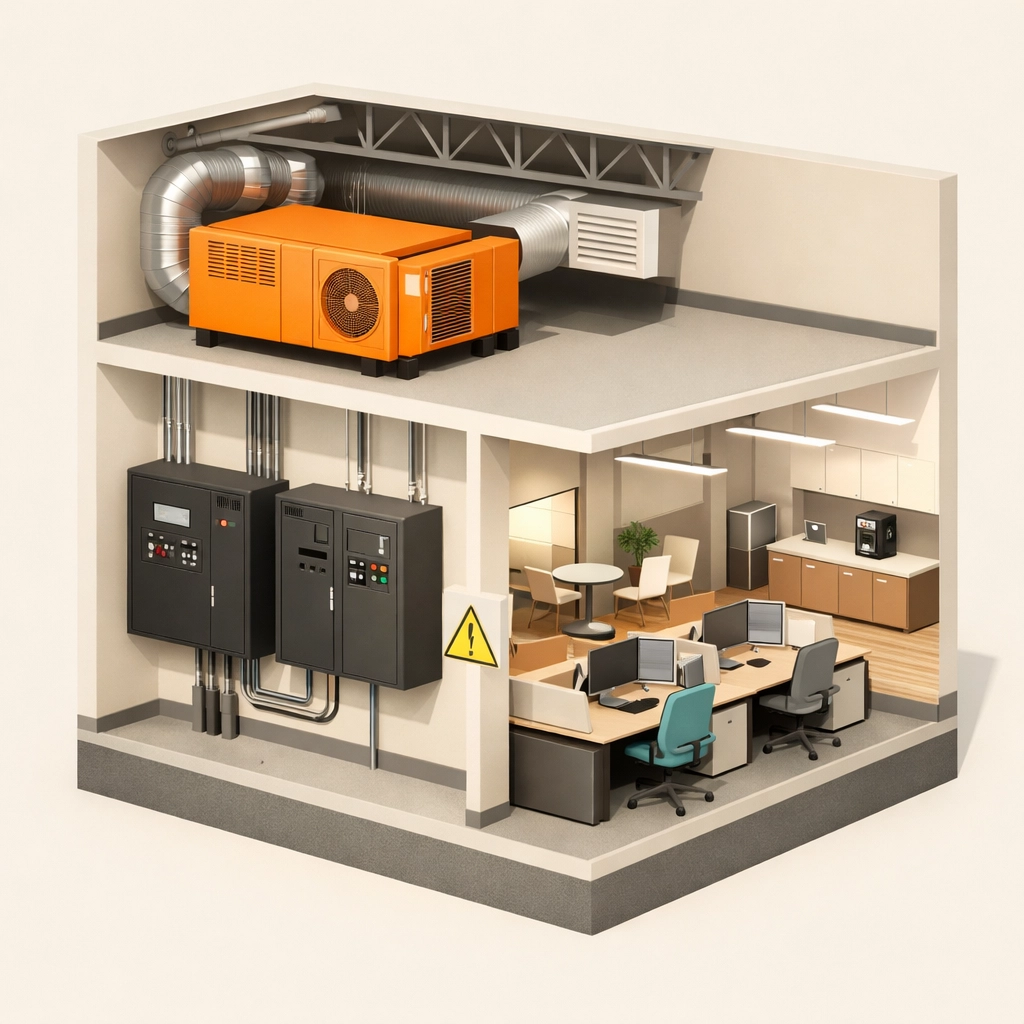
Did you renovate your office space last year? Add a new HVAC system? Upgrade your electrical panel?
Your insurance policy needs to reflect those improvements. If your coverage limit is based on your building's value from five years ago, you're likely underinsured today.
Make a list of any significant upgrades you've made since your last policy review. Share it with your agent so they can adjust your coverage accordingly.
3. Consider Local Construction Cost Increases
Construction costs have been climbing: and in many areas, they've been climbing fast. Labor shortages, supply chain disruptions, and inflation have all pushed rebuilding costs higher.
Your insurance coverage limit from three years ago might not cut it today. Even if you haven't changed a thing about your building, the cost to rebuild it has probably gone up.
Ask your agent about current construction cost trends in your area. They can help you adjust your coverage limits to reflect today's reality, not last year's estimate.
4. Don't Forget 'Ordinance or Law' Coverage
Here's a hidden cost that catches a lot of business owners off guard: building code changes.
If your building is damaged and needs significant repairs or rebuilding, you'll have to bring it up to current building codes. That can mean expensive upgrades: new sprinkler systems, ADA-compliant features, energy-efficient windows, you name it.
Standard property insurance doesn't always cover these code-related costs. That's where Ordinance or Law coverage comes in. It pays for the extra expenses required to meet current building standards.
If you don't have this coverage, you could be on the hook for tens of thousands (or more) in unexpected costs.
5. Schedule a Valuation Review with Your Agent
This is the big one: Don't guess. Get a professional valuation.
Your agent can help you determine an accurate replacement cost for your property. Some insurers even offer automated valuation tools or will connect you with a professional appraiser.
A proper valuation takes into account:
- Current construction costs in your area
- Your building's square footage and features
- Any special construction materials or methods
- Local labor rates
Schedule this review at least once every few years: or sooner if you've made significant changes to your property.
What Happens If You're Underinsured?
Let's be blunt: If your building is totaled and your coverage limit is too low, you're paying the difference out of pocket.
And it's not just about rebuilding. Being underinsured can also trigger something called coinsurance penalties. Many commercial property policies have a coinsurance clause: usually 80% or 90%: that requires you to insure your property for at least that percentage of its replacement cost.
If you fall short, the insurer can reduce your claim payout, even for partial losses. That means you could end up paying more than just the deductible.
Questions?
Not sure if your coverage is based on replacement cost or market value? Wondering if you have Ordinance or Law coverage? Can't remember the last time you reviewed your property limits?
That's what we're here for. Reach out to us and let's review your policy together. A quick conversation now can save you a whole lot of stress (and money) later.
Your business deserves protection that actually works when you need it. Let's make sure your coverage does what it's supposed to do: help you rebuild and get back to business.