Adams & Associates - Learn with Us
Farm Safety 101: Protecting Your People and Your Equipment
![[HERO] Farm Safety 101: Protecting Your People and Your Equipment](https://cdn.marblism.com/ZVhxM45qDwi.webp)
Farming is one of the most rewarding professions out there. It's also one of the most hazardous. Between heavy machinery, unpredictable weather, and long hours in the sun, farm workers face unique risks every single day.
The good news? Most farm accidents are preventable. With the right training, awareness, and a few simple habits, you can protect your people and your equipment for years to come.
This post is part of our Safety Week series, and today we're focusing on the folks who feed us all. Let's dive in.
Why Farm Safety Deserves Your Full Attention
Agriculture consistently ranks among the top industries for workplace injuries and fatalities. The combination of powerful equipment, exposure to chemicals, extreme temperatures, and physical labor creates a perfect storm of potential hazards.
But here's the thing: a strong safety culture doesn't just prevent injuries: it protects your livelihood. When your team stays healthy and your equipment stays in good shape, your operation runs smoother. And that's good for everyone.
Whether you're a multi-generational family farm or running a larger agricultural business, these principles apply across the board.
Tractor and Machinery Safety
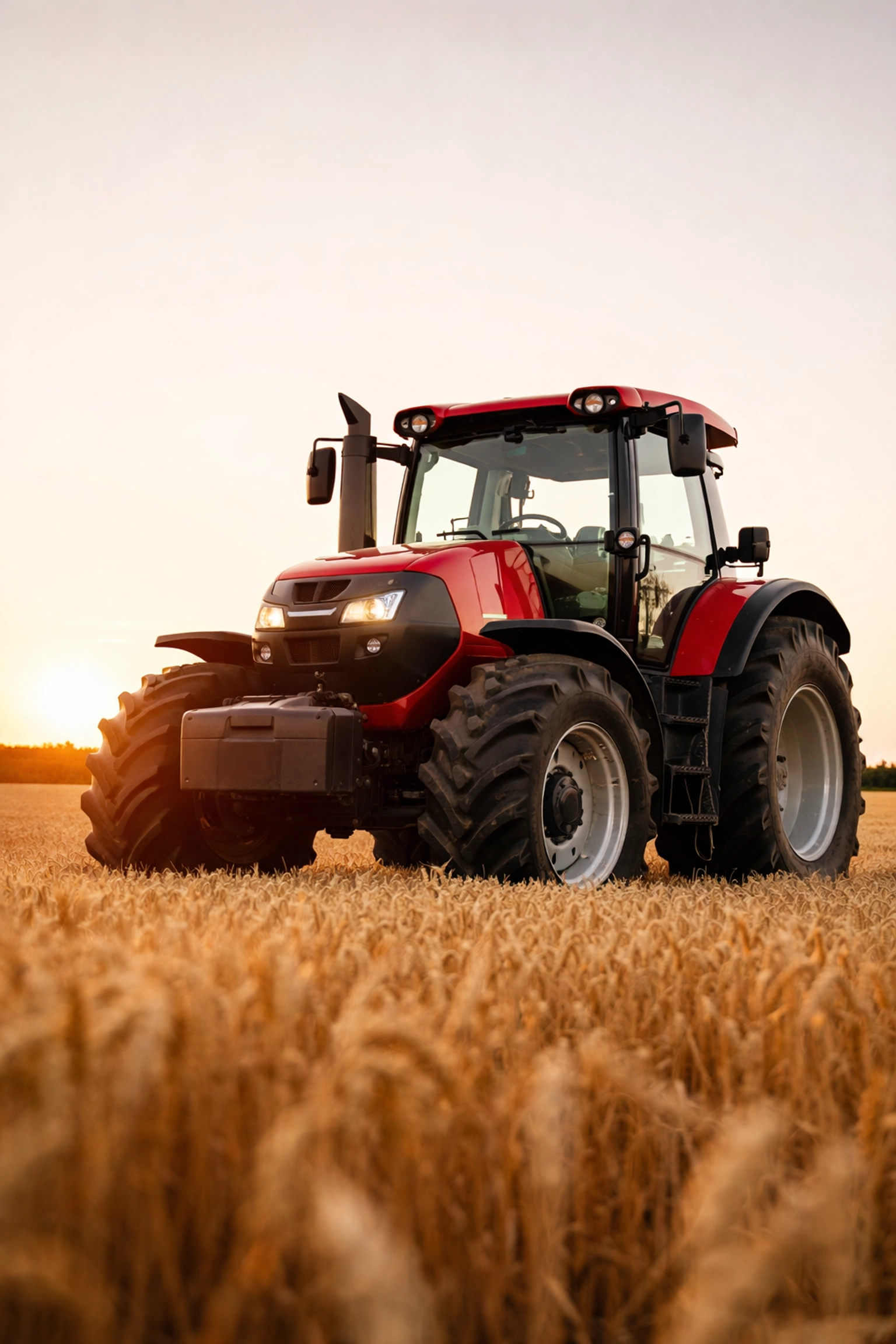
Let's start with the big stuff. Tractors and farm machinery are essential to modern agriculture, but they're also responsible for a significant number of farm injuries each year.
Here are the basics to keep everyone safe:
- Install rollover protective structures (ROPS) on all tractors. This single step dramatically reduces the risk of fatal injuries during rollovers.
- Always wear your seatbelt when operating equipment with ROPS installed.
- Keep all guards and shields in place. They're there for a reason.
- Before you dismount: Put equipment in neutral or park, engage the parking brake, and turn off the engine. Wait until all moving parts have completely stopped.
- Limit extra riders. Instructional seats are designed for training purposes only: not for giving rides across the property.
- Stay alert around power take-off (PTO) shafts and augers. Walk several body-lengths away from spinning equipment. These mechanisms can cause serious injuries in seconds.
A quick maintenance checklist:
- Conduct regular inspections of all machinery
- Check hydraulic lines and cylinders
- Test brakes and steering before each use
- Replace worn or damaged parts immediately
- Keep equipment clean and free of debris
Taking a few extra minutes before each shift can prevent costly breakdowns: and costly injuries.
Heat Exhaustion Awareness
Farming often means long hours outdoors, sometimes in extreme heat. Heat exhaustion and heat stroke are serious risks, especially during planting and harvest seasons.
Know the warning signs of heat exhaustion:
- Heavy sweating
- Weakness or fatigue
- Dizziness or confusion
- Nausea
- Headache
- Muscle cramps
If you or a team member shows these symptoms, stop working immediately. Move to a shaded or air-conditioned area, drink water, and cool down with wet cloths.

Prevention is simple:
- Stay hydrated. Drink water throughout the day, not just when you feel thirsty.
- Take regular breaks in shaded areas, especially during peak heat hours (10 a.m. to 4 p.m.).
- Wear lightweight, light-colored clothing and a wide-brimmed hat.
- Rotate tasks so no one spends too long in direct sunlight.
- Watch out for each other. Sometimes the person suffering from heat exhaustion doesn't realize it themselves.
"Fatigue, stress, medication, alcohol, and drugs decrease focus and lead to injury." : Farm Safety Research
Getting adequate sleep and managing fatigue is just as important as staying cool. A tired worker is a vulnerable worker.
Proper Storage of Chemicals
Pesticides, fertilizers, herbicides, and fuels are part of daily farm life. Improper storage and handling can lead to accidental poisoning, chemical burns, environmental contamination, and even fires.
Follow these storage guidelines:
- Store chemicals in their original containers with labels intact.
- Keep storage areas locked and away from living spaces, water sources, and livestock.
- Maintain proper ventilation in chemical storage buildings.
- Never mix chemicals unless specifically directed by the manufacturer.
- Keep a detailed inventory of all chemicals on the property.
- Dispose of empty containers and expired products according to local regulations.
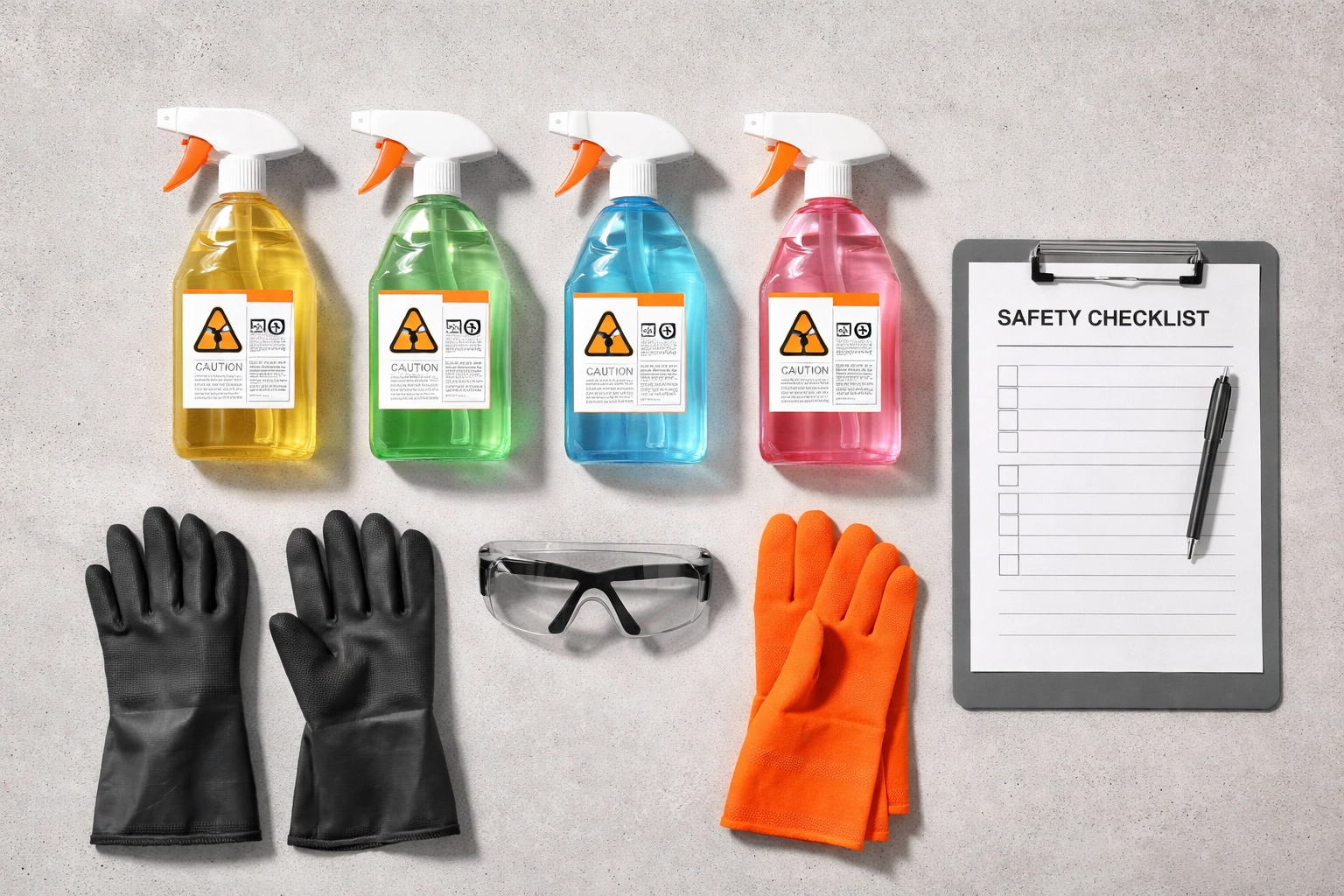
Personal protective equipment (PPE) matters here:
- Safety glasses or goggles
- Chemical-resistant gloves
- Respiratory masks when required
- Protective clothing
Make PPE accessible and ensure everyone knows where to find it. Regular inventory checks prevent gaps in protection when you need it most.
Training Seasonal Workers
Many farms rely on seasonal workers during busy times. These team members are essential: but they may not be familiar with your specific equipment, layout, or safety protocols.
A solid onboarding process protects everyone:
- Start with a safety orientation before any work begins. Cover the basics: equipment operation, emergency procedures, hazard areas, and PPE requirements.
- Use simple, clear language. Avoid jargon and consider language barriers. Visual demonstrations work better than lengthy explanations.
- Pair new workers with experienced team members for the first few days.
- Hold regular safety meetings throughout the season. Quick five-minute check-ins keep safety top-of-mind.
- Create a culture where questions are welcome. No one should feel embarrassed about asking how to do something safely.
"Most injuries occur during routine tasks when complacency sets in."
Even experienced workers benefit from refresher training. Safety isn't a one-time conversation: it's an ongoing commitment.
Building a Safety Culture
The best safety programs aren't just about rules and checklists. They're about creating an environment where everyone looks out for each other.
Here's how to build that culture:
- Lead by example. If you skip safety steps, your team will too.
- Encourage feedback. Create an environment where workers feel comfortable reporting hazards or near-misses without fear of blame.
- Frame accidents as system failures, not personal mistakes. This encourages honesty and helps you identify real problems.
- Celebrate safety wins. Acknowledge when your team goes a period without incidents.
Don't forget emergency preparedness:
- Have written emergency action plans for natural disasters, equipment failures, and medical emergencies.
- Make sure everyone knows where first aid kits and fire extinguishers are located.
- Post emergency contact numbers in visible locations.
Being prepared before an incident occurs minimizes the impact when something does go wrong.
The Role of Farm Insurance and Workers Compensation
Even with the best safety practices, accidents can still happen. That's where proper coverage comes in.
Farm insurance protects your property, equipment, livestock, and crops from unexpected events. Workers compensation coverage ensures that if a team member is injured on the job, their medical expenses and lost wages are covered: and you're protected from potential lawsuits.
Having the right policies in place isn't just smart business. It's part of taking care of your people.
QUESTIONS? If you're not sure whether your current coverage addresses all the unique risks of your operation, it might be time for a review. We're always happy to help you find gaps and explore options. Reach out to us anytime.
Keep Your Farm Running Strong
Farm safety comes down to a few key habits:
- Maintain and inspect your equipment regularly
- Protect your team from heat and chemical hazards
- Train every worker: especially seasonal staff
- Build a culture where safety is everyone's responsibility
Your farm is your livelihood. Your people are your greatest asset. Protecting both is always worth the effort.
Stay safe out there.