Adams & Associates - Learn with Us
PFAS Exclusions: What Businesses Need to Know About 'Forever Chemical' Coverage in 2026
![[HERO] PFAS Exclusions: What Businesses Need to Know About 'Forever Chemical' Coverage in 2026](https://cdn.marblism.com/-Fs6l345O_L.webp)
If you've been keeping an eye on insurance news lately, you've probably noticed a lot of buzz around something called PFAS. These "forever chemicals" are changing the way insurers write policies: and it's worth understanding what that means for your business.
The good news? Once you know what to look for, you can take simple steps to protect yourself. Let's break it down.
What Are PFAS (And Why Should You Care)?
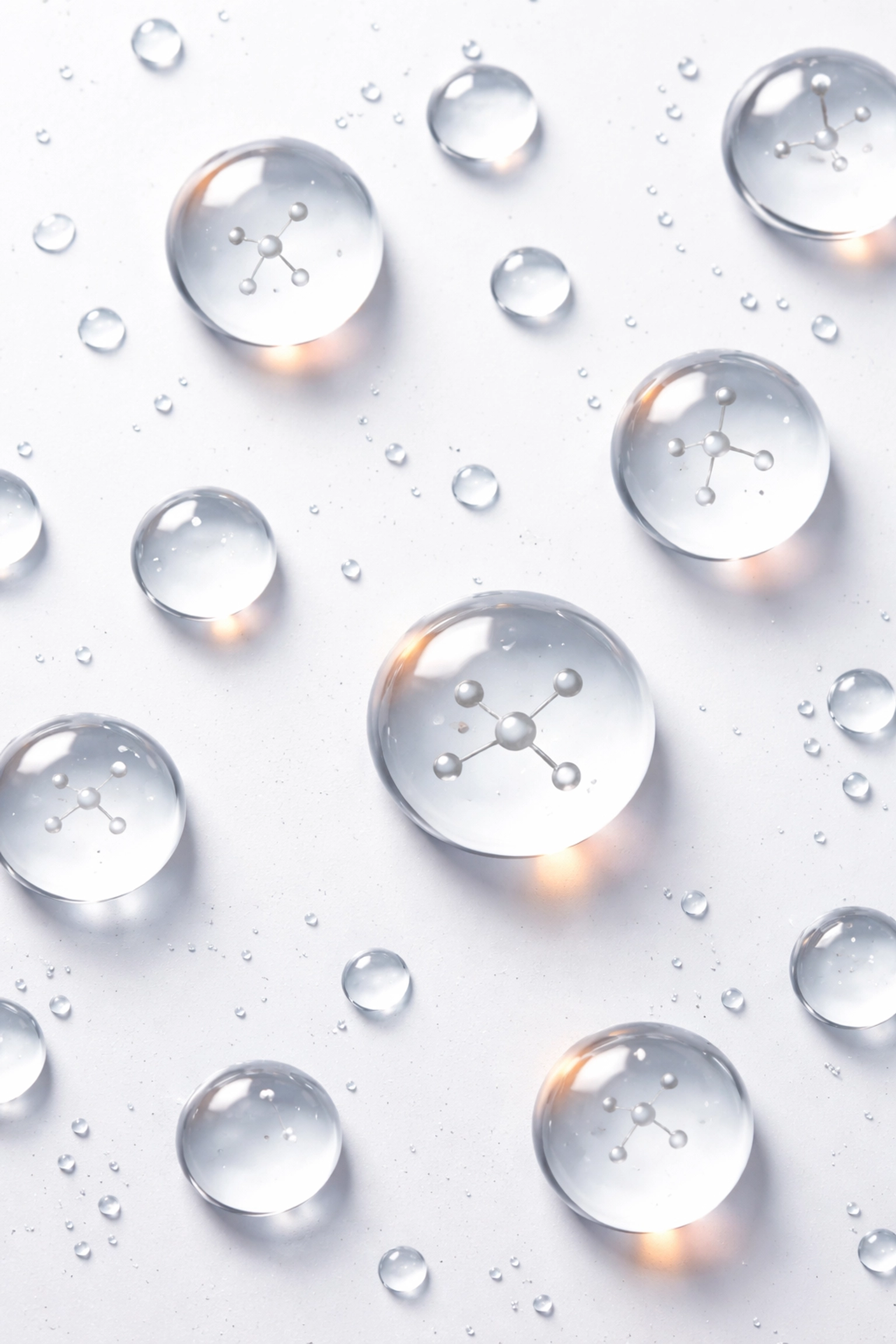
PFAS stands for per- and polyfluoroalkyl substances. These are man-made chemicals that have been used since the 1940s in all kinds of everyday products:
- Non-stick cookware
- Stain-resistant fabrics and carpets
- Firefighting foams
- Food packaging
- Industrial coatings
Here's the catch: PFAS don't break down naturally. They stick around in soil, water, and even our bodies for a very long time. That's why people call them "forever chemicals."
"PFAS persist indefinitely in soil and water, making them a regulatory priority and major liability driver for businesses across industries."
Why PFAS Are Being Called "The Asbestos of Our Time"
Remember asbestos? It was widely used for decades before we understood its health risks. Now, many experts are drawing the same comparison to PFAS.
Here's what's happening on the regulatory front:
- The EPA has set strict Maximum Contaminant Levels (MCLs) for certain PFAS at just 4 parts per trillion
- PFAS have been designated as hazardous substances under CERCLA (Superfund)
- States are expanding bans on PFAS in textiles, packaging, and other products
This means businesses that manufacture, use, or dispose of products containing PFAS could face significant cleanup costs and liability claims. And that's where insurance comes in.
The New PFAS Exclusions: What They Mean for Your Coverage
Insurance carriers have taken notice. In response to growing PFAS liability, many are now adding specific PFAS exclusion endorsements to their policies.
Two key forms to know about:
- CG 40 32 05 23 – General Liability PFAS exclusion
- CU 34 54 05 23 – Commercial Umbrella PFAS exclusion
What do these exclusions actually do? In plain terms, they remove coverage for:
- Bodily injury claims related to PFAS exposure
- Property damage caused by PFAS contamination
- Cleanup and remediation costs
- Defense costs for PFAS-related lawsuits
If your policy includes one of these endorsements, your general liability or umbrella coverage won't respond to PFAS claims. It's that straightforward.
Which Policies Are Affected?
PFAS exclusions are showing up across several policy types:
- Commercial General Liability (CGL)
- Business Owners Policies (BOP)
- Commercial Umbrella and Excess policies
- Some Environmental and Professional Liability policies
Even if you don't see a specific PFAS exclusion, traditional pollution exclusions in your policy may also apply to PFAS claims depending on how they're worded.
"Most current general liability policies exclude coverage for PFAS-related claims through dedicated exclusion endorsements, leaving businesses exposed unless they secure specialized environmental coverage."
What You Can Do Right Now
Don't panic: there are practical steps you can take today to understand your coverage and fill any gaps.
1. Review Your Current Policies
Pull out your general liability, umbrella, and any environmental policies. Look for endorsements that reference PFAS or the form numbers mentioned above (CG 40 32 05 23 and CU 34 54 05 23).
2. Talk to Your Insurance Agent
This is a great conversation to have. Your agent can help you:
- Identify any PFAS exclusions in your current coverage
- Explain what those exclusions mean for your specific business
- Explore options for filling coverage gaps
3. Consider Specialized Environmental Coverage
If your business has any exposure to PFAS: whether through manufacturing, waste disposal, or even firefighting activities: pollution liability insurance may be worth exploring. These specialized policies can sometimes provide coverage where standard liability policies fall short.
4. Review Your Contracts
If you work with vendors or contractors who handle materials that might contain PFAS, make sure your contracts clearly address liability and indemnification.

The Bottom Line
PFAS exclusions are becoming standard in many commercial insurance policies. While that might sound concerning, understanding these changes puts you in control.
The key takeaways:
- PFAS are persistent chemicals now under heavy regulatory scrutiny
- New exclusion endorsements(like CG 40 32 05 23 and CU 34 54 05 23) are removing PFAS coverage from standard policies
- Reviewing your policies and talking to your agent are simple first steps
- Specialized coverage may be available if you have significant PFAS exposure
Taking a few minutes now to understand your coverage can save you major headaches down the road.
Questions? We're happy to help you review your policies and talk through your options. Reach out to us anytime( that's what we're here for!)